Symbolmt Font Mac Install
Just like any other modern OS, macOS comes with quite big list of pre-installed fonts for all tastes and purposes. But we all know very well that the default font list can’t fit everyone’s needs. There are thousands of custom fonts people use every day in their workflow. One thing before we start: in some apps custom fonts appear right after you install them without the need to restart the app. But for the sake of better compatibility and in order to make sure everything works we suggest you quit all apps, install fonts on Mac and open your apps back.
How to Install Custom Fonts on Mac? There are three ways you can add fonts to your Mac without using third-party apps. Yes, there is additional software you may need to work with fonts (TypeKit comes as a part of Abobe Creative Cloud suite, for example), but in this article, we will focus on basics every Mac user should know. Which font formats macOS supports? The answer is simple:. This means you can share your fonts between Mac and Windows apart from.fon format.
Luckily enough vast majority of fonts you can find on the Internet both paid and free are in.otf /.ttf format, so you won’t have any compatibility issues. Important: macOS does not require user authentication when installing fonts in this way because font installs for current user only.
In the Install Type 1 Font dialog, make sure all three checkboxes are checked, and click the Yes to All button. Close the Fonts section and the Control Panel. As well as having the MT Symbol PostScript font installed properly, you should now have an MT Symbol TrueType font for screen display. SYMBOLMT NORMAL FONT - DOWNLOAD WITHOUT SIN. Symbolmt Normal Font for Mac allows users to back up and share an unlimited Symbolmt Normal Font for free. The application is intuitive, and largely automated, making.
For your information: there are different font structure formats. Some fonts contain different types (regular, bold, italic, etc.) within the one.otf/.ttf file. Others use separate files for each type. Look at the drop-down list at the top of the font preview window. Click it and you will see whether this font has additional types inside the file. Installing Custom Fonts in macOS – Draggin’ and Droppin’ Another simple way to add fonts to Mac is simply drag and drop them inside the fonts folder (copy – paste works too). The only thing you need to know is how to find the default font folder in macOS.
MacOS font folder is located in macOS System Drive > Library > Fonts. This method installs the font for all users, so you may see a user authentication prompt. Cwcheat cheatpopsdb download full.
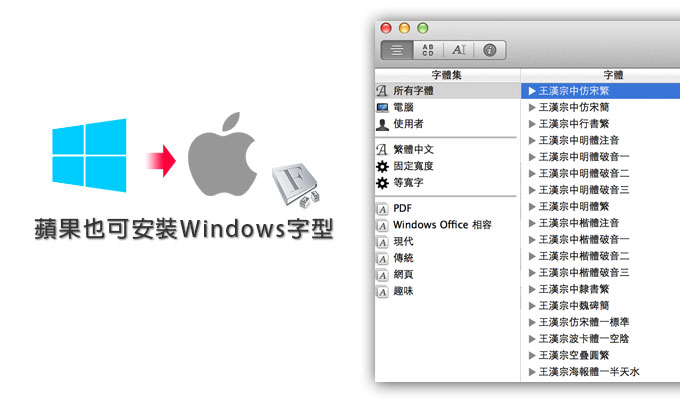
How to Install Custom Fonts in macOS – Font Book Font Book is a default macOS app which comes pre-installed on every Mac. It is very easy to open it. Just press Command + Spacebar and enter Font Book. Alternatively, you can locate it in the Other folder on the Launchpad. Press + button at the top of the window. Locate the font file and open it. Do note that macOS requires user authentication when you install fonts on macOS using Font Book app.
Emergency $249 / yr 1 Website Initial Response Time within 4 hrs. An all-in-one web-based platform for Malware & Security Monitoring, Hacking Remediation, Website Protection and other critical services for a safe and trusted website. Manual Malware Removal / Full Website Audit Blacklisting removal Web Application Firewall (WAF) Dedicated Malware Analyst 24/7 Access to Cybersecurity Professionals Economy $149 / yr 1 Website Initial Response Time within 12 hrs. Zvuk vklyucheniya neonovoj lampi.
Here is another important thing you should know about using the Font Book app: all fonts you install using the Font Book app can be found at the Computer section. It is in the left panel of the window, and all fonts available there are available for all users of this Mac.